
If you live in the Philippines, you know what happens when the rainy season arrives: everyone around you starts getting sick. Coughing, sneezing, body aches—it’s a predictable pattern during this season.
The challenge is that three common illnesses emerge during this time and they can present with similar symptoms. We’re talking about dengue fever, the common cold, and the flu.
This distinction matters significantly. The treatment for a cold differs substantially from dengue or the flu. Additionally, some of these conditions can become serious if not identified and managed early.
According to the World Health Organization (WHO), dengue cases in the Philippines typically increase by up to 40% during the monsoon season. The Department of Health (DOH) Philippines reports that respiratory illnesses like colds and flu also spike during this period due to increased indoor crowding and poor ventilation. Early identification of symptoms can significantly reduce the risk of complications and help ensure proper treatment.
Understanding the differences between dengue, cold, and flu isn’t just about feeling better—it’s about protecting your health and making informed decisions about when to seek medical care.
What is Dengue Fever?
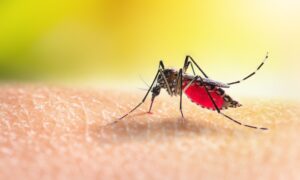
Dengue is a viral infection caused by the dengue virus, which is transmitted exclusively through mosquito bites, specifically from the Aedes aegypti mosquito. Unlike colds and flu, you cannot catch dengue from another person through respiratory droplets. The virus enters your bloodstream when an infected mosquito bites you, and then your body’s immune system engages in fighting the infection.
According to the WHO, dengue affects approximately 390 million people annually worldwide, with the Philippines being one of the endemic countries. The Department of Health Philippines identifies dengue as a notifiable disease and tracks cases closely during the rainy season.
What is Common Cold?

The common cold is a mild viral infection typically caused by rhinoviruses, though over 200 different viruses can cause cold symptoms. It spreads through respiratory droplets when an infected person coughs or sneezes, or through contact with contaminated surfaces. The common cold is generally self-limiting, meaning your body’s immune system typically clears the infection without specific medical treatment.
According to Mayo Clinic, the average adult experiences two to three colds per year, with higher frequency during colder and wetter months when people spend more time indoors.
What is Flu or Influenza?

The flu is caused by influenza viruses and is more serious than the common cold. Like the cold, it spreads through respiratory droplets and is contagious even before symptoms appear. The flu can lead to complications, particularly in vulnerable populations such as young children, elderly individuals, and those with compromised immune systems.
The Centers for Disease Control and Prevention (CDC) reports that seasonal flu affects millions of people globally and causes hundreds of thousands of deaths annually, especially in countries with tropical climates where the flu season is prolonged.
How to Tell Them Apart
Recognizing the specific symptoms of each illness is crucial for proper management and knowing when to seek medical care. Here’s a detailed breakdown of how these three conditions differ.
Dengue Fever Symptoms:
- High fever (typically between 38-40°C or 100-104°F) that develops suddenly
- Severe headache (Often the most prominent symptom)
- Retro-orbital pain (Pain behind the eyes. This is highly distinctive for dengue)
- Severe body and joint aches
- Maculopapular rash that typically appears 3-4 days after fever onset, usually on the chest, back, and limbs
- Mild cough and sore throat
- Nausea, vomiting, and loss of appetite
- Fatigue and weakness that can persist for several weeks after recovery
The fever pattern with dengue is also characteristic. It typically lasts 5-7 days, and some patients experience a “biphasic” fever pattern where the temperature decreases temporarily and then rises again. This is sometimes called the “saddle-back fever” pattern.
Common Cold Symptoms:
- Mild fever or no fever at all
- Runny or stuffy nose (the most characteristic symptom)
- Sneezing
- Mild sore throat
- Mild cough
- Slight body aches or mild fatigue
- Watery or itchy eyes
- Mild headache
The common cold is generally considered a mild illness. According to Mayo Clinic, it typically resolves within 7-10 days without specific medical intervention.
Flu Symptoms:
- High fever (usually 38-40°C or 100-104°F) that develops suddenly
- Severe body aches and muscle pain
- Significant fatigue and weakness
- Headache (though usually less severe than dengue)
- Dry cough (more prominent than in colds)
- Sore throat
- Chills
- Possible nausea or vomiting
- Shortness of breath in some cases
According to the CDC, the flu typically appears suddenly and can be debilitating. Many people describe feeling extremely ill and unable to perform daily activities for several days.
Why Does the Rainy Season Make It Worse?
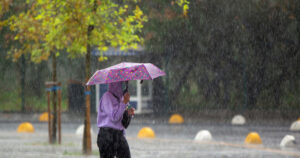
The spike in illnesses during the rainy season is not random. There are specific environmental and behavioral factors that contribute to increased transmission of all three conditions.
Dengue and Mosquito Breeding
Dengue transmission increases dramatically during the rainy season due to the mosquito’s breeding cycle. The Aedes aegypti mosquito thrives in warm, wet conditions and breeds in standing water. Rain creates ideal breeding environments in:
- Plant pots and flower vases
- Buckets and containers
- Clogged gutters and downspouts
- Old tires and discarded materials
According to the Department of Health Philippines, dengue cases typically increase by 40-50% during the monsoon months (June to November). The DOH emphasizes that for every infected person, the disease can spread to multiple others through mosquito bites if preventive measures are not taken.
The WHO notes that the Aedes aegypti mosquito is most active during early morning (5-10 AM) and late afternoon (3-5 PM), making these high-risk periods for dengue transmission.
Respiratory Illnesses During Rainy Season
Colds and flu spread more readily during the rainy season for several interconnected reasons:
- People spend more time indoors during heavy rain, leading to closer contact with others and increased exposure to respiratory viruses.
- Many enclosed spaces lack adequate air circulation, allowing respiratory droplets to remain suspended in the air longer, increasing transmission risk.
- The sudden changes in temperature and humidity during the transition to the rainy season can temporarily weaken immune function.
- High humidity can help respiratory viruses survive longer on surfaces and in the air.
According to research cited by the CDC, respiratory virus transmission increases significantly during periods of high humidity and crowding, which are characteristic of the Philippine rainy season.
When to See a Doctor

Knowing when to seek professional medical care is critical for preventing serious complications. Seek immediate medical attention if you experience:
- High fever (above 39°C) that does not respond to fever-reducing medication
- Severe headache that is not relieved by pain medication
- Difficulty breathing or shortness of breath
- Chest pain or pressure
- Confusion, difficulty concentrating, or altered mental state
- Severe weakness or inability to move
Here’s a practical tip that can save you time and money: consider using the Doctor Anywhere app for video consultations.
If you’re not feeling well but not sure if you need to go to the hospital or clinic, you can have a real doctor assess your symptoms via video call. It’s convenient (you can do it from home), faster than waiting in a clinic, and often more affordable than an in-person visit. Doctors on the mobile app are available 24/7, and can help you determine whether you need urgent care, provide initial guidance, and even issue prescriptions if needed. It’s especially useful during the rainy season when getting out of the house might be difficult or you want to minimize exposure to other sick people.
Sources:
- https://www.who.int/news-room/fact-sheets/detail/dengue-and-severe-dengue
- https://doh.gov.ph/list-of-diseases/dengue/
- https://newsnetwork.mayoclinic.org/discussion/dengue-fever-what-you-need-to-know/
- https://www.pna.gov.ph/articles/1048880
- https://pia.gov.ph/news/doh-warns-public-to-stay-alert-vs-flu-urges-vaccination/
- https://www.mayoclinic.org/diseases-conditions/dengue-fever/symptoms-causes/syc-20353078
- https://www.mayoclinic.org/diseases-conditions/common-cold/symptoms-causes/syc-20351605
- https://www.mayoclinic.org/diseases-conditions/flu/symptoms-causes/syc-20351719
- https://www.cdc.gov/flu/signs-symptoms/
- https://www.cdc.gov/flu/treatment/index.html